Bandipur: A Cultural Haven in the Himalayas

Embarking on the scenic road journey between Kathmandu and Pokhara? We’ve got a travel tip that might just make your trip unforgettable. Pause your adventure in the captivating town of Bandipur, nestled in Nepal’s Tanahun district. Often hailed as one of Nepal’s most charming towns, Bandipur promises not just a stopover but an experience. Amidst the confusion with its Indian namesake in Karnataka, this Bandipur stands unique, boasting picturesque landscapes and a plethora of activities that can easily fill your days. Which is located 143km west of Kathmandu and 80km east of Pokhara.

Warmth of Hospitality:

The true essence of Bandipur lies in the warmth of its people. Locals here don’t just welcome tourists; they invite them to become a part of their community. Homestays offer a unique opportunity to immerse yourself in the daily life of a Nepali family, sharing meals, stories, and laughter, creating bonds that last a lifetime.

Things to do in Bandipur

Hike to the Viewpoints: Embark on scenic hikes to Bandipur’s viewpoints like Tundikhel and Thani Mai. Capture breathtaking sunrise and sunset views over the majestic Himalayas, creating postcard-worthy memories.

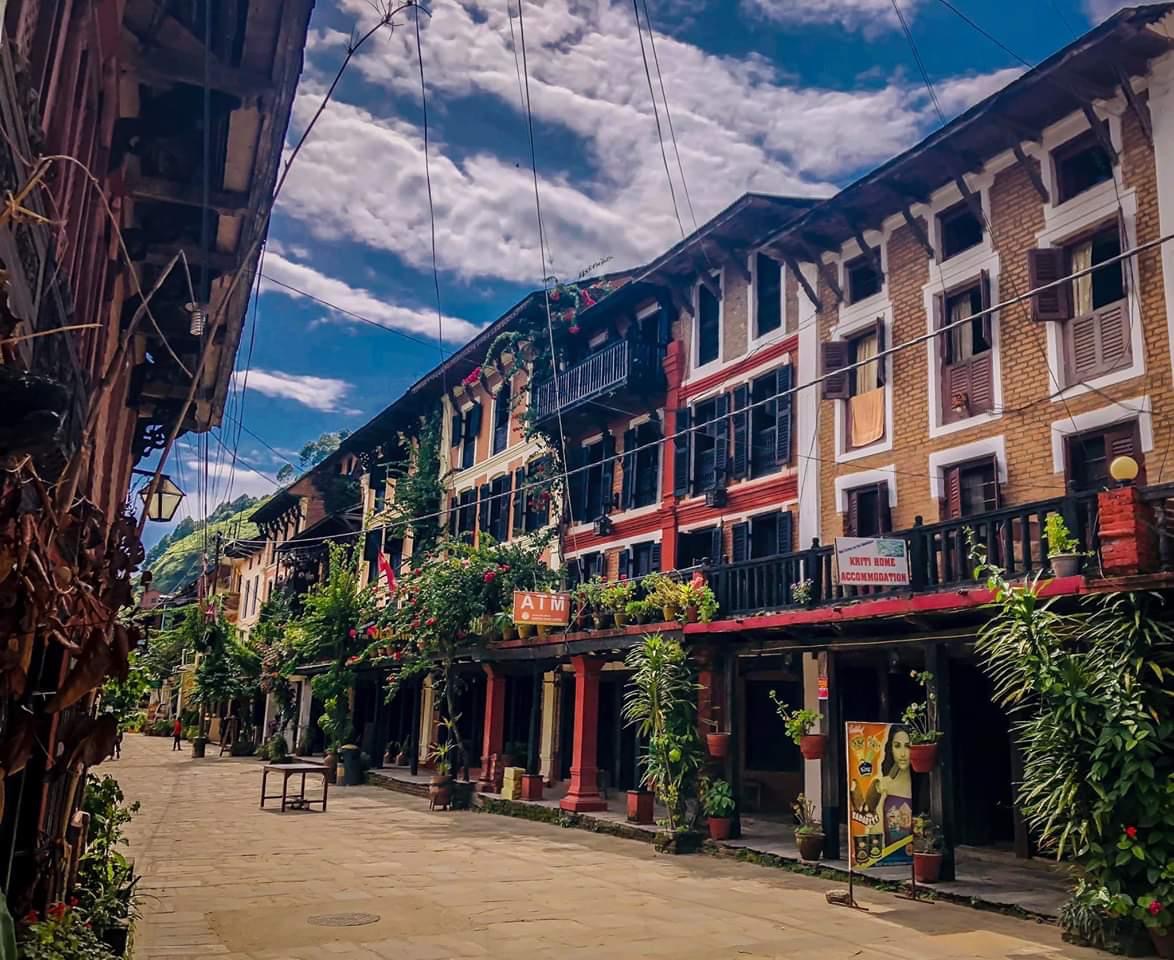
Stroll through the Old Town: Wander the cobblestone streets of Bandipur’s old town. Admire the well-preserved Newari architecture, ancient temples, and intricate woodwork. Every corner has a story to tell.

Visit Siddha Cave: Explore the mystical Siddha Cave, Nepal’s largest cave system. Venture deep into the cave’s chambers and marvel at the natural formations, making it an exciting adventure for spelunking enthusiasts.

Cultural Immersion with Locals: Engage with the friendly locals and experience the warmth of Nepali hospitality. Participate in cultural events, try traditional costumes, and share stories with the native Newars for an authentic experience.

Explore Ramkot Village: Take a day trip to Ramkot Village, a nearby settlement known for its serene atmosphere and traditional way of life. Experience the village lifestyle and witness age-old farming practices.

Indulge in Local Cuisine: Savor the delicious Newari cuisine. Try local delicacies like momos (dumplings), sel roti (traditional sweet), and thakali (a flavorful meal set). Food enthusiasts will find Bandipur a culinary delight.

Attend Cultural Festivals: If your visit coincides with local festivals, don’t miss the opportunity to participate. Experience vibrant celebrations, processions, and rituals, providing a deeper insight into Nepali culture.

Nature Walks and Bird Watching: Explore Bandipur’s surrounding nature trails. The region is rich in biodiversity, making it a paradise for nature enthusiasts and bird watchers. Keep an eye out for rare Himalayan bird species.

Visit Khadga Devi Temple: Explore the historic Khadga Devi Temple, an important religious site in Bandipur. Learn about its significance in local folklore and admire the intricate architecture.

Take a Yoga Retreat: Rejuvenate your mind and body by participating in a yoga retreat. Bandipur’s tranquil ambiance provides an ideal setting for yoga and meditation sessions, ensuring a holistic experience.

In Bandipur, every moment is an adventure, every smile a story, and every experience a cherished memory. So, embrace the magic of this captivating town, where the ordinary transforms into the extraordinary, and every traveler finds a piece of their heart amidst the Himalayan splendor.


Discovering Nepal’s National Bird: The Majestic Danphe

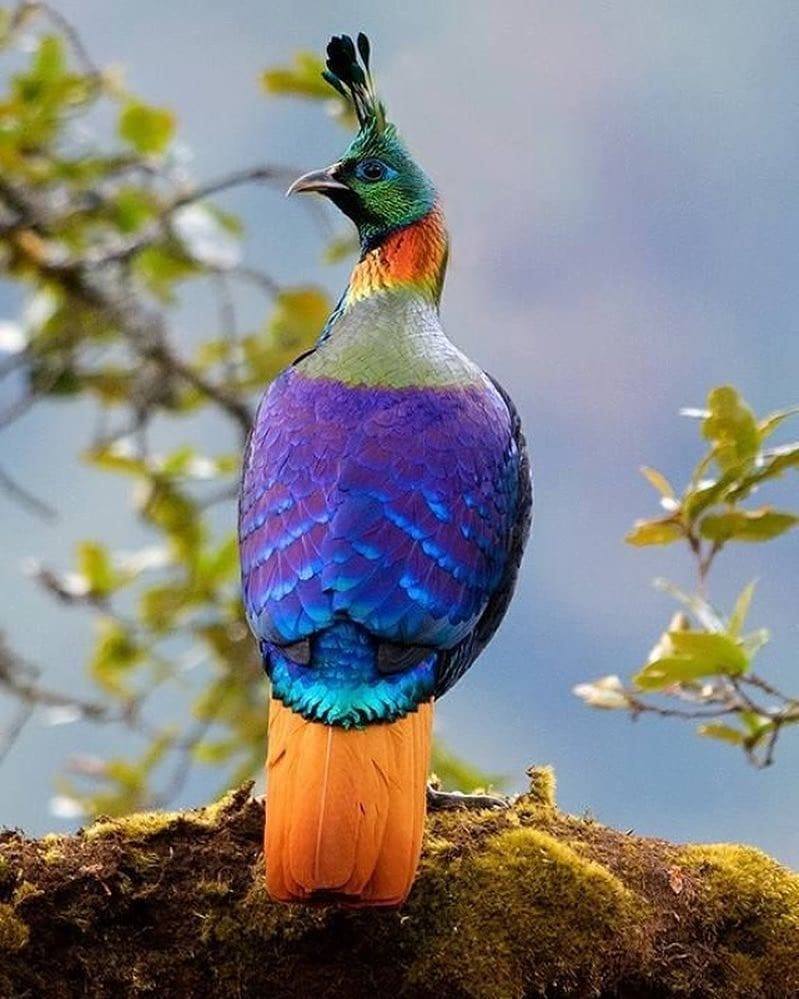
Nepal, a land of breathtaking landscapes and rich biodiversity, is home to some of the world’s most captivating wildlife. Among its natural treasures, the Danphe, also known as the Himalayan Monal, stands out as Nepal’s national bird. In this blog, we embark on a journey to discover the fascinating world of the majestic Danphe and explore why it holds such a special place in Nepali culture and conservation efforts.

The Danphe: A Glimpse of Elegance

Appearance and Colors

The Danphe, scientifically known as Lophophorus impejanus, is a strikingly beautiful bird renowned for its vibrant plumage. It proudly displays a kaleidoscope of colors on its feathers. Males sport an iridescent green head, coppery feathers on the back, and a shimmering array of blues, purples, and metallic hues on the wings and tail. The females, while less flamboyant, are still adorned with an array of soft, earthy tones.

Habitat

This regal bird calls the high-altitude regions of the Himalayas home. You’ll find them perched gracefully on rocky slopes and amidst dense coniferous forests. The Himalayan terrain is perfectly suited to their lifestyle, with its rugged terrain, lush vegetation, and crystal-clear streams.

Symbolism and Cultural Significance

The Danphe is more than just a beautiful bird; it’s a symbol of Nepal’s natural wealth and cultural heritage. Here’s why it holds such importance:

National Emblem

In 1963, the Danphe was officially declared as Nepal’s national bird, cementing its place as a symbol of the nation’s beauty and resilience.

Religious and Cultural Significance

The Danphe features prominently in Nepali folklore and religious rituals. It’s often associated with Lord Krishna, who is believed to have worn the bird’s plumes as ornaments.

Conservation Efforts

Despite its cultural significance, the Danphe faces various conservation challenges due to habitat loss and poaching. Conservation organizations, alongside the Nepali government, are working tirelessly to protect this iconic species. Their efforts include habitat preservation and community-based conservation initiatives.

Conclusion

The Danphe, Nepal’s national bird, is not just a feathered beauty but a symbol of the country’s natural heritage and cultural significance. As we continue to discover and appreciate the majesty of this remarkable bird, it’s our collective responsibility to ensure its survival for generations to come. Through awareness, conservation efforts, and sustainable practices, we can help protect this majestic creature and the pristine Himalayan landscapes it calls home.

In summary, Nepal’s national bird, the Danphe, is a true testament to the country’s extraordinary biodiversity and cultural richness. Its vibrant colors, cultural significance, and conservation efforts make it a subject worthy of admiration and protection.

Discovering Nepal: Must visit places for your Travel Bucket List

Nepal is a beautiful and culturally rich country located in the heart of the Himalayas. It offers a wide range of experiences for travelers, from trekking in the world’s highest mountains to exploring ancient temples and immersing yourself in the local culture. Here are some must-visit places in Nepal for your travel bucket list:

1.Kathmandu Valley:

    • Kathmandu: The capital city of Nepal is one of the must visit places in Nepal, is a bustling hub of ancient history, culture and spirituality. This picturesque valley, surrounded by lush green hills, is a treasure trove of architectural wonders. Kathmandu Valley is like a treasure chest of ancient wonders. Inside this valley, you’ll discover places recognized by UNESCO as World Heritage Sites. One of these gems is Kathmandu Durbar Square, a historic area filled with stunning palaces and temples that showcase the intricate beauty of Newari architecture. Similarly, there’s the famous Swayambhunath Stupa, affectionately known as the Monkey Temple. This sacred site sits atop a hill, and when you climb to its peak, you’re rewarded with breathtaking panoramic views of the city and its surroundings. It’s an experience that will leave you in awe.If you’re looking for spiritual places, then Pashupatinath Temple is a must-visit. This temple is a sacred spot dedicated to Lord Shiva, where people come to pay their respects and take part in age-old rituals. On the other hand, if you seek tranquility, the Boudhanath Stupa is the place to be. With its peaceful ambiance and the ever-watchful eyes painted on its dome, it’s a center of Tibetan Buddhism and a vibrant hub for all things Tibetan culture. It’s a place that exudes serenity and spiritual energy.If you’re in the mood for a lively experience, the bustling streets of Thamel are a magnet. Here, you’ll find an array of shops, restaurants, and a nightlife that never sleeps. It’s the place to be if you’re looking for some excitement and vibrant energy.For those in search of tranquility, the Garden of Dreams provides a peaceful escape from the hustle and bustle. This garden is a hidden gem, offering a serene oasis amidst the city’s chaos. It’s a perfect spot to relax and recharge.And here’s a tip: While exploring Kathmandu Durbar Square, make sure you keep an eye out for Kumari, the Living Goddess. She resides at Kumari Ghar, and catching a glimpse of her is a unique and fascinating experience that you won’t want to miss.
    • Patan (Lalitpur): Patan is like a living museum, preserving the ancient Newari culture and architecture that has thrived here for centuries. The city is renowned for its well-preserved Durbar Square, a UNESCO World Heritage Site. In this square, you’ll find an array of intricately designed temples, palaces, and courtyards that showcase the exquisite craftsmanship of the Newari people. As you wander through Patan’s narrow streets, you’ll discover hidden gems like traditional Newari houses, vibrant markets, and artisan workshops where skilled craftsmen continue to create beautiful handicrafts. Patan is also known for its vibrant arts scene, with numerous galleries and museums showcasing contemporary and traditional art. Additionally, the city is home to the Hiranya Varna Mahavihar (Golden Temple), an exquisite Buddhist monastery adorned with gold and intricate woodwork. Whether you’re interested in history, culture, or simply taking in the beauty of Newari architecture, Patan is a captivating destination that provides a glimpse into Nepal’s rich heritage. write this content in human writing style which is easy to reads for readers
    •  Bhaktapur: Bhaktapur, known as the “City of Devotees,” is a charming Nepalese city frozen in time. Its UNESCO-listed Durbar Square showcases exquisite Newari architecture, including palaces and temples. Stroll through its narrow lanes, discover traditional homes and lively markets, and admire the iconic Nyatapola Temple. Bhaktapur offers a rich glimpse into Nepal’s history and culture.


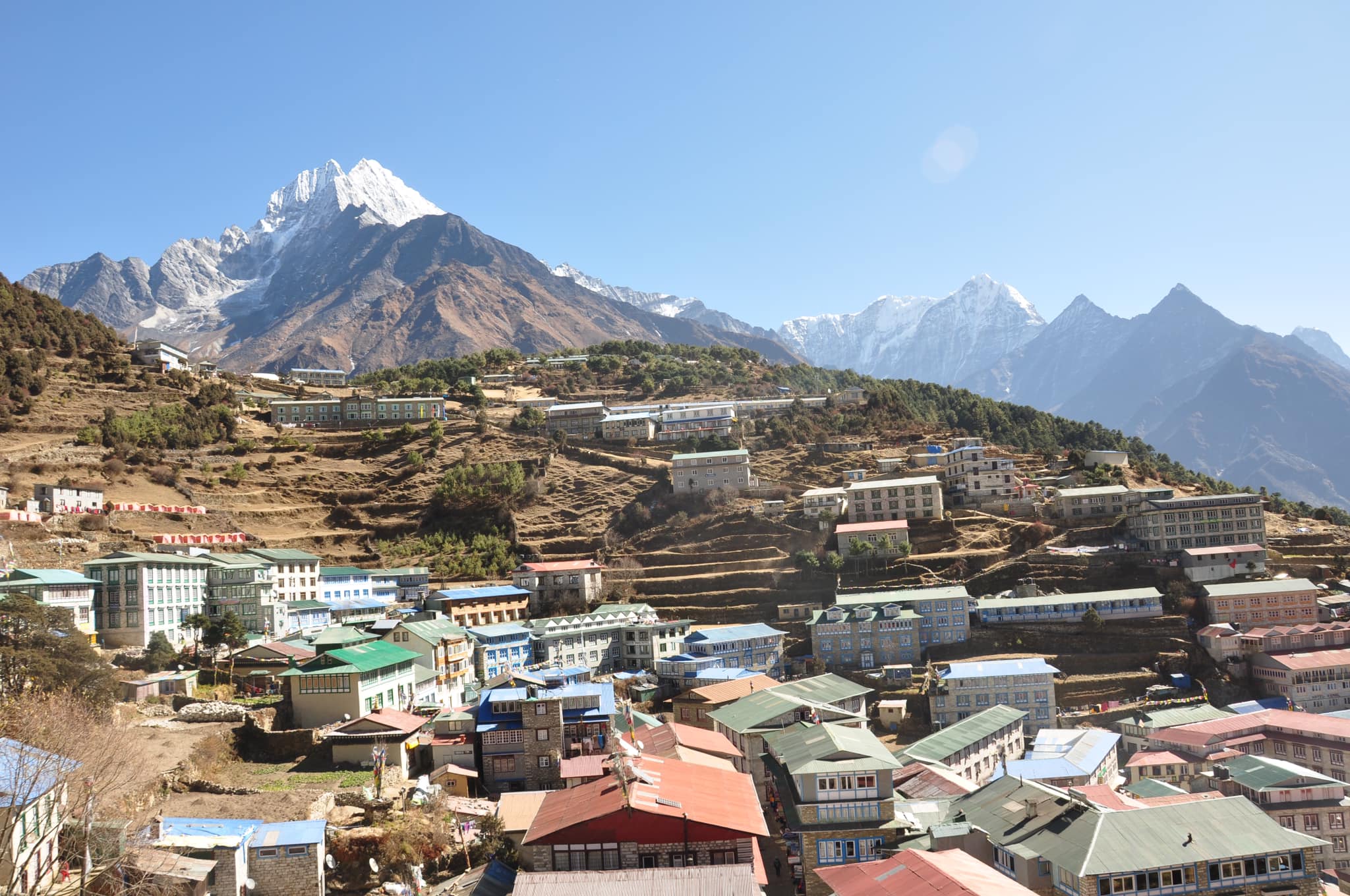
2.Everest Base Camp Trek: The Everest Base Camp Trek is like a thrilling adventure novel come to life. It’s a journey that takes you to the very doorstep of Mount Everest, the tallest mountain on our planet. Picture yourself surrounded by awe-inspiring Himalayan scenery, with snow-capped peaks that seem to touch the sky. As you hike through picturesque Sherpa villages, you’ll experience their warm hospitality and unique way of life.This trek is a bit challenging, but the rewards are beyond imagination. You’ll stand at the base of Mount Everest itself, a dream for any adventurer. It’s a trek that not only tests your physical endurance but also offers a deep connection to the natural beauty and cultural richness of the Himalayas. It’s a must-do for anyone seeking a true Himalayan adventure.


3.Annapurna Circuit Trek: The Annapurna Circuit Trek is a remarkable journey through the stunning Annapurna region of Nepal. It’s like stepping into a postcard-worthy landscape filled with towering mountains, lush forests, and vibrant villages. This trek takes you on a circuit around the Annapurna Massif, allowing you to witness a diverse range of landscapes and cultures. You’ll encounter traditional villages inhabited by warm and welcoming locals, and you’ll have the chance to immerse yourself in the rich tapestry of Nepalese culture.Along the way, you’ll pass through rhododendron forests, cross suspension bridges over roaring rivers, and reach high mountain passes with jaw-dropping vistas. The pinnacle of the journey is reaching Thorong La Pass, one of the world’s highest trekking passes.

Whether you’re an experienced trekker or just starting your adventure journey, the Annapurna Circuit offers an unforgettable experience. It’s a trek that combines natural beauty, cultural exploration, and the thrill of conquering high-altitude terrain, making it a top choice for trekkers seeking an incredible Himalayan adventure.


4.Annapurna Base Camp Trek: The Annapurna Base Camp Trek, often called the “ABC Trek,” is a mesmerizing journey into the heart of the Annapurna Range in Nepal. Imagine yourself surrounded by towering peaks, lush forests, and the tranquility of nature.This trek leads you to the base camp of Annapurna, one of the world’s highest mountains. Along the way, you’ll pass through traditional Nepali villages, where you can immerse yourself in the local culture and hospitality. The trek is moderately challenging, making it accessible to trekkers with varying levels of experience. You’ll walk through rhododendron forests, cross pristine rivers, and reach the Annapurna Sanctuary, where the colossal peaks of Annapurna and Machapuchare tower above you.

At Annapurna Base Camp, you’ll be rewarded with breathtaking views and a sense of accomplishment. It’s a place where you can connect with the raw beauty of the Himalayas and experience the magic of this sacred region. The Annapurna Base Camp Trek is a perfect blend of natural wonders and cultural encounters, making it a favorite among trekkers seeking a remarkable adventure in Nepal.


5.Pokhara:

Nestled in the shadow of the mighty Annapurna and Dhaulagiri mountain ranges, Pokhara is a charming haven in Nepal that beckons with its natural beauty and adventure-filled offerings. Here’s a short description of things to do in Pokhara, presented in a reader-friendly style:

 Boating on Phewa Lake: Start your Pokhara adventure with a tranquil boat ride on Phewa Lake. With the majestic Annapurna Range reflected in its waters, it’s a serene escape.

 Visit the World Peace Pagoda: Embark on a short hike to the World Peace Pagoda, perched on a hilltop. The panoramic views of Pokhara and the mountains make it a worthwhile excursion.

 Explore Gupteshwor Cave: Step into the mystical underground world of Gupteshwor Cave, home to impressive limestone formations and a sacred waterfall.

 Enjoy Lakeside Cafes: Lakeside’s vibrant cafes and restaurants offer a relaxed atmosphere to savor local and international cuisines while gazing at the lake and mountains.

 Paragliding Thrills: Pokhara is a paragliding hotspot. Experience the thrill of flying like a bird while soaking in breathtaking aerial views.

 Sarangkot Sunrise: Rise early to catch the sunrise from Sarangkot. The dawn illuminating the Annapurna Range is a sight you won’t forget.

 Mountain Biking: For the adventurous souls, mountain biking in the surrounding hills and villages is a fantastic way to explore the countryside.

 Tibetan Refugee Camp: Learn about the Tibetan culture and history at the Tashi Ling Tibetan Refugee Settlement, where you can shop for traditional crafts.

 Zip-lining and Bungee Jumping: Get your adrenaline pumping with zip-lining or bungee jumping at nearby adventure parks.

Visit Devi’s Fall: Marvel at the unique waterfall known as Devi’s Fall, where the water vanishes into an underground tunnel.

Bindhyabasini Temple: Discover the local spiritual side at Bindhyabasini Temple, perched on a hilltop with commanding views of the city.

Annapurna Butterfly Museum: For a touch of nature and education, visit the Annapurna Butterfly Museum to observe a colorful array of butterflies and insects.

Pokhara’s blend of natural beauty, cultural experiences, and adrenaline-pumping activities make it a must-visit destination in Nepal, appealing to a wide range of travelers. Whether you’re seeking serenity or adventure, Pokhara has something to offer everyone.


6.Lumbini: The Birthplace of Buddha

Lumbini, located in the Rupandehi District of Nepal, is a sacred pilgrimage site revered by millions worldwide. It is renowned as the birthplace of Siddhartha Gautam, who later became Buddha, the founder of Buddhism. Here’s a concise glimpse of Lumbini’s significance:

 Birthplace of Buddha: At the heart of Lumbini lies the Maya Devi Temple, marking the exact spot where Buddha was born. Pilgrims come from all corners of the globe to pay their respects.

Peaceful Garden: The serene Lumbini Sacred Garden surrounds the temple, offering a tranquil setting for contemplation and meditation.

Ashoka Pillar: Emperor Ashoka’s pillar, erected in the 3rd century BCE, bears inscriptions attesting to Lumbini’s historical importance.

Monastic Zones: Various Buddhist monasteries from different countries coexist in harmony, reflecting the global significance of Buddhism.

Meditative Atmosphere: Lumbini’s ambiance is steeped in spirituality, making it a place for peaceful reflection and introspection.

Lumbini serves as a timeless reminder of the birth of one of the world’s great spiritual leaders and offers a profound sense of tranquility for all who visit.


7.Chitwan National Park: Nepal’s Wildlife Wonderland

Nestled in the Terai lowlands of Nepal, Chitwan National Park is a natural gem celebrated for its rich biodiversity and thriving wildlife. Here’s a brief overview of this captivating park:

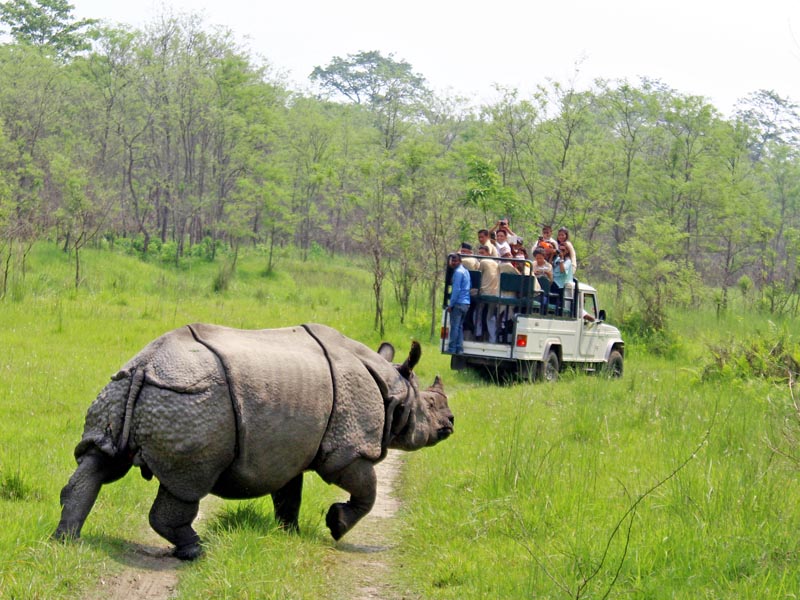
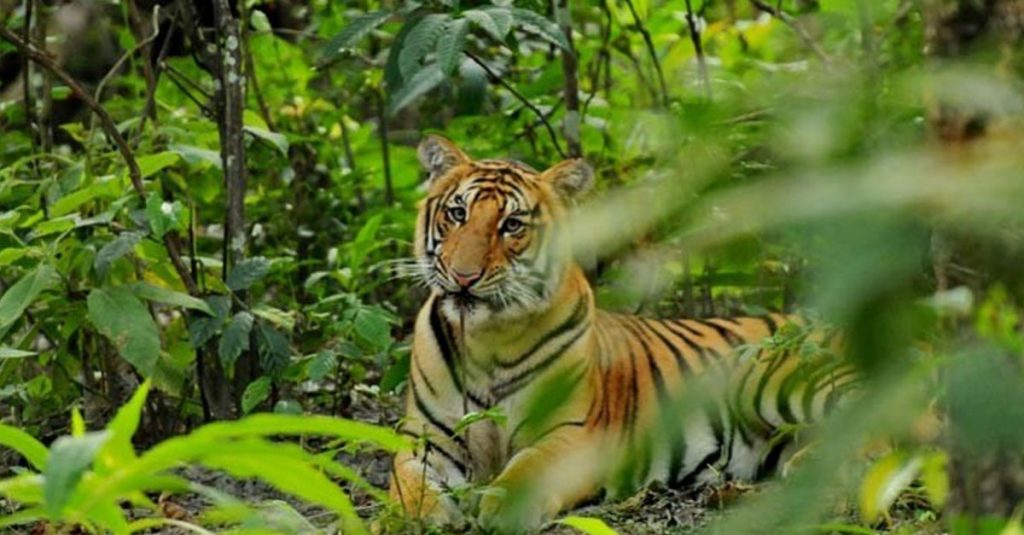
Diverse Wildlife: Chitwan is home to an impressive array of wildlife, including Bengal tigers, one-horned rhinoceroses, elephants, leopards, and a plethora of bird species.

Jungle Safaris: Explore the park’s dense jungles and grasslands on thrilling safaris. Jeep safaris, canoe rides, and guided walks offer opportunities to spot wildlife in their natural habitats.

Tharu Culture: Immerse yourself in the vibrant culture of the indigenous Tharu people, known for their unique traditions, dance, and hospitality.

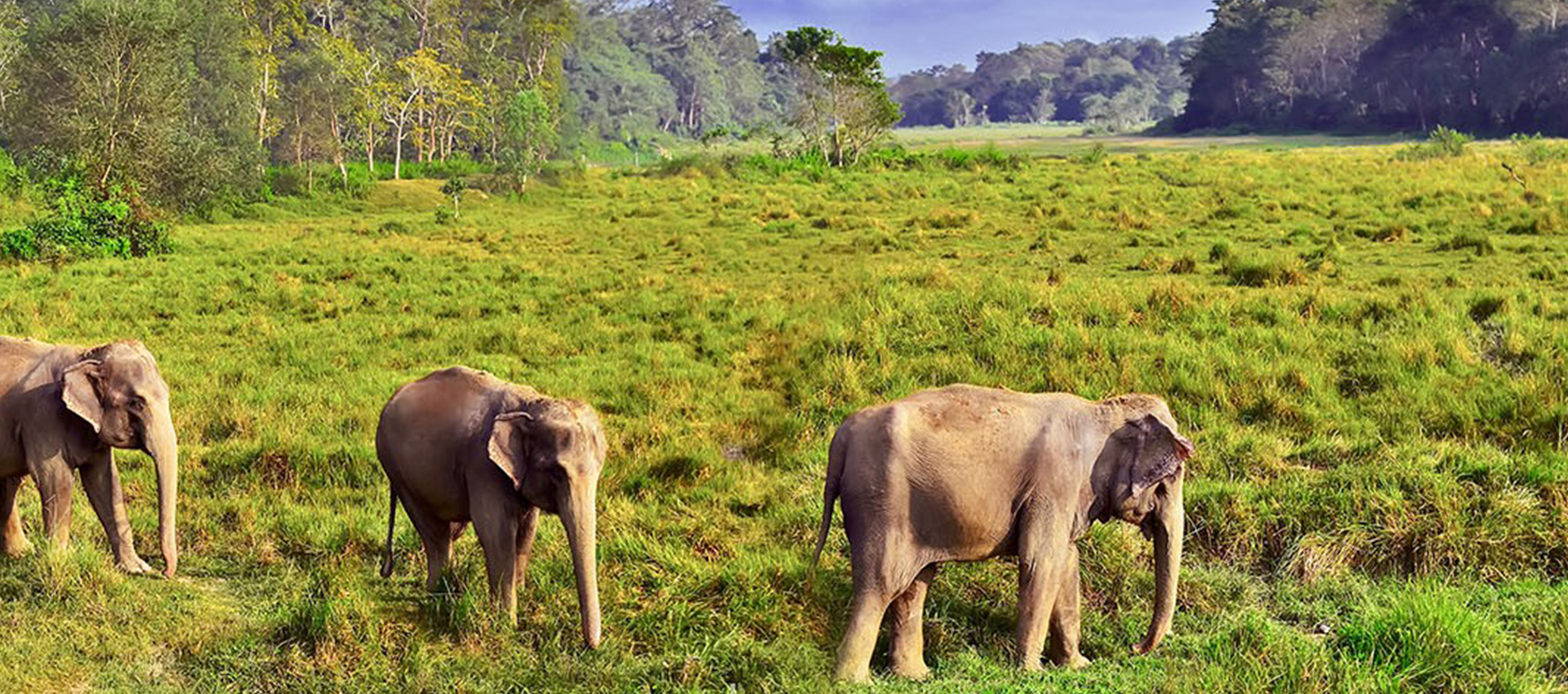
Elephant Encounters: Enjoy elephant safaris or visit the park’s elephant breeding center to learn about these gentle giants and their conservation.

Birdwatching: Chitwan is a paradise for bird enthusiasts. With over 500 species of birds, including rare and migratory ones, it’s a haven for birdwatching.

Crocodile Conservation: Visit the Gharial Conservation Center to witness the conservation efforts aimed at protecting the critically endangered gharial crocodile.


Champadevi Hike and Tent Camping: Exploring Nature’s Beauty in Hattiban

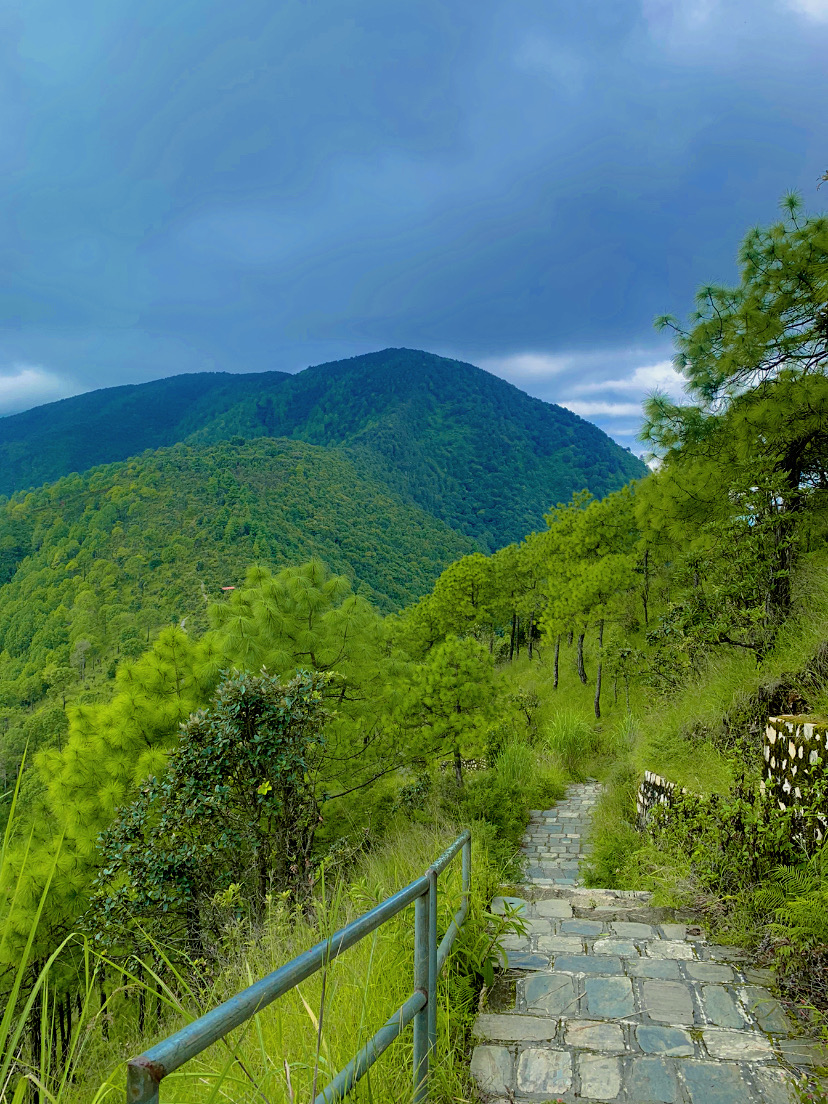
A scenic view of Champadevi Hike and Tent Camping in Hattiban, surrounded by lush greenery and mountains."
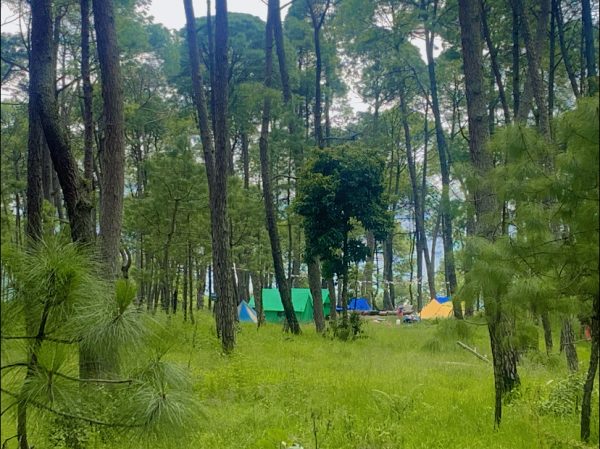
Unplug and unwind in the tranquil embrace of Hattiban’s tent camping paradise. #HattibanCamping #NatureRetreat


Camping, when approached with care and enthusiasm, transforms into a truly enchanting experience. Although it may lack the luxuries of a hotel, camping bestows upon you a unique set of treasures. Under the starry skies, surrounded by the warmth of a campfire, and in the company of cherished friends and family, you embark on a journey of unforgettable memories.

In the heart of nature’s embrace, you will find peace and wonder. The canvas of the night sky unfolds above, adorned with countless stars that twinkle like precious gems. Each flickering light seems to tell a story, igniting the imagination and inviting you to ponder the mysteries of the universe.

So, when you venture into the wild, remember that camping, done right, is a magical journey. It’s an opportunity to connect with the cosmos above, share stories and laughter with loved ones, and rediscover the wonder of a world illuminated by starlight and campfire glow. It’s a chance to craft memories that will shine in your heart long after the embers of the fire have dimmed.

Hattiban, nestled in the embrace of the Himalayas, emerges as the quintessential camping destination. It beckons adventurers and nature lovers with its proximity to the Kathmandu Valley and the verdant beauty of its pine-laden forest. For the avid hiker, the ascent to Champadevi Hill adds an extra layer of grandeur to this already enchanting spot, where the mountains and the Kathmandu Valley reveal their majesty. And let’s not forget, the camping experience itself in Hattiban is a delightful affair.

Hattiban’s charm lies in its perfect balance of accessibility and natural splendor. Situated just a 10km throw away from the bustling Kathmandu Valley. Camping at Hattiban offers a quick escape into the serene wilderness. The lush pine forest that envelops the area welcomes you with its cool shade and the whispering breeze. For those who are seeking for hiking, the hike up Champadevi Hill is an exhilarating adventure. As you make your way up the winding trails, each step brings you closer to beautiful himalayan range and the beauty of Kathmandu Valley. The gentle rustling of leaves in the breeze, the melody of birdsong, and the tranquility of the forest create a soothing atmosphere. As you gather around the campfire, sharing stories and laughter with fellow campers, the magic of Hattiban comes alive.

In summary, Hattiban stands as the ideal camping destination, where the convenience of its location near the Kathmandu Valley meets the lush tranquility of its pine forest. The hike to Champadevi Hill adds an extra layer of adventure, and the camping experience itself is a testament to the beauty of the great outdoors. It’s a place where the grandeur of nature and the warmth of human companionship combine to create lasting memories and a profound sense of wonder.

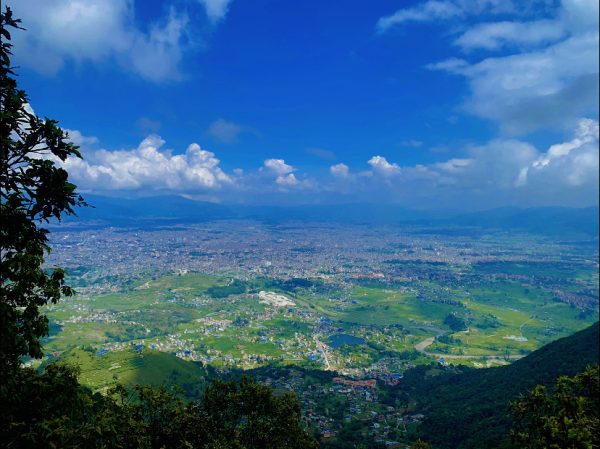
"Kathmandu Valley panoramic view from Champadevi Hike viewpoint."
Champadevi Hike: Witness Kathmandu Valley’s Stunning Beauty.
#Champadevi #NepalAdventures


Badimalika Temple: Spiritual Trek In Nepal

Nepal, a land where spirituality and nature converge harmoniously, offers a myriad of treks that transcend the ordinary. Among these, the Badimalika Temple trek stands as a testament to the deep-rooted spirituality that courses through the Himalayan trails. In this SEO-friendly blog post, we embark on a journey to explore the spiritual essence of Badimalika Temple and the trek that leads seekers to its hallowed grounds.

A Journey of the Soul:

The Badimalika Temple trek is more than a physical expedition; it is a journey of the soul. This spiritual sojourn takes trekkers through some of Nepal’s most breathtaking landscapes, from dense forests to rugged terrains, all while providing a profound connection with nature.

The Sacred Badimalika Temple:

At the heart of this trek lies the Badimalika Temple, a place of deep veneration and spiritual significance. Dedicated to the goddess Bhagwati, it is considered one of Nepal’s holiest sites. Devotees and trekkers alike visit to seek blessings, offer prayers, and immerse themselves in the temple’s serene aura.

The Trekking Experience:

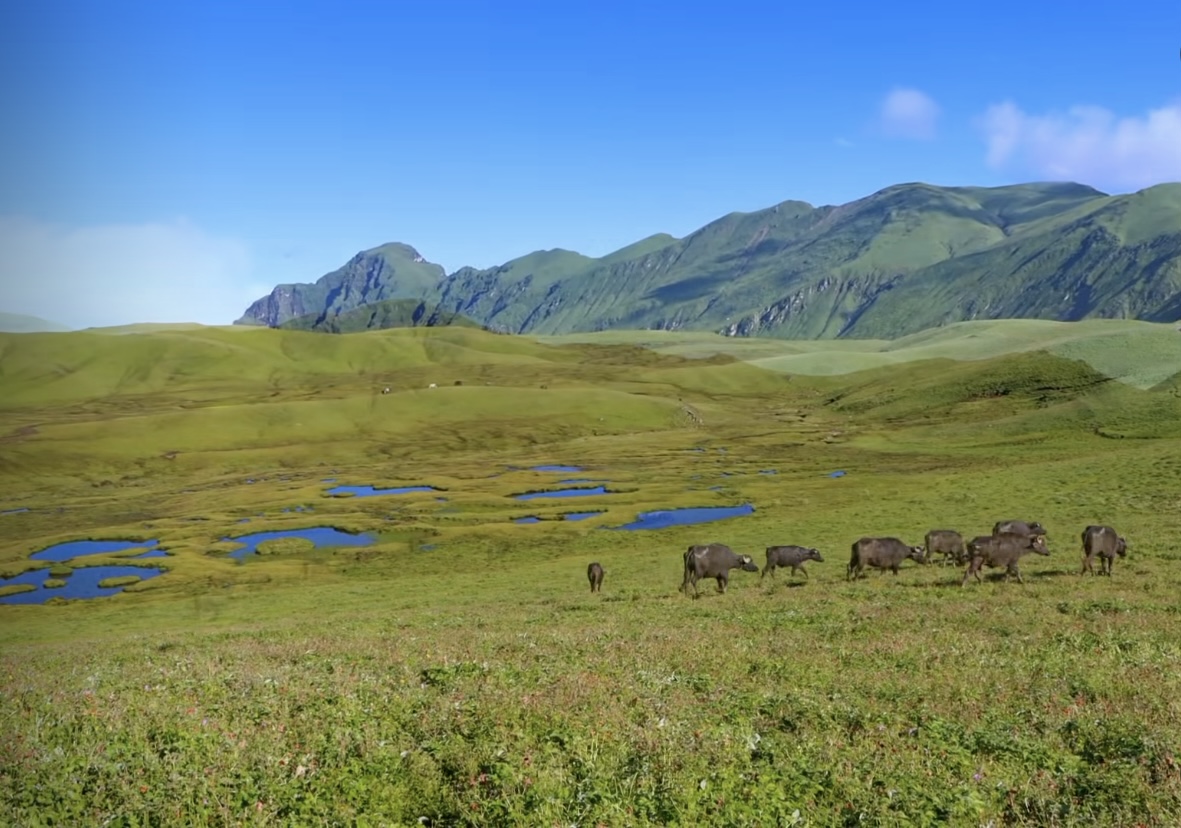
The journey to Badimalika Temple is not just a physical challenge; it’s an inner exploration. Trekkers navigate through challenging trails, cross pristine streams, and embrace the serenity of the Himalayas. It’s a trek that demands endurance, resilience, and a profound connection with the natural world. The best time to go this region in Monsoon time from June to September. The monsoon season in Badimalika brings a vibrant burst of greenery to the landscape. The hills and valleys are covered in lush vegetation, creating a stunning and picturesque backdrop for trekkers and pilgrims.

Spiritual Renewal:

As trekkers ascend, they leave behind the chaos of daily life, finding solace in the tranquil surroundings. The trek provides a unique opportunity for introspection and renewal of the spirit. It’s a chance to disconnect from the world and reconnect with one’s inner self.

Cultural Insights:

The trek also offers glimpses into the cultural tapestry of Nepal. Encounter friendly locals along the way, witness their traditional customs, and gain insight into the deep-rooted spirituality that permeates every aspect of life in this region.

Pilgrimage and Festivals:

Some devotees prefer to visit Badimalika Temple during the monsoon season, believing it to be an auspicious time for pilgrimage. You may encounter devotees during your visit. If you plan to trek to Badimalika or visit the temple during the monsoon season, it’s essential to be prepared for the weather conditions. Check the weather forecast, ensure you have suitable rain gear, and be cautious about the possibility of landslides.

Conclusion:

The Badimalika Temple trek is more than a physical journey; it’s an odyssey of the spirit. It’s an opportunity to explore the spiritual heart of Nepal, connect with the natural world, and find solace in the embrace of the Himalayas. So, if you seek a trek that transcends the ordinary and leads you on a path of spiritual discovery, the Badimalika Temple trek in Nepal awaits, promising a journey that will leave an indelible mark on your soul.


Rolwaling Valley Trek

The “Rolwaling Valley Trek” is a popular trekking route located in the Rolwaling region of Nepal, which is known for its stunning natural beauty and remote wilderness. Here is some information about the Rolwaling Valley Trek:

Location: The Rolwaling Valley is situated in the northeastern part of Nepal, close to the border with Tibet. It is a hidden gem that lies between the Everest and Langtang regions.

Highlights:

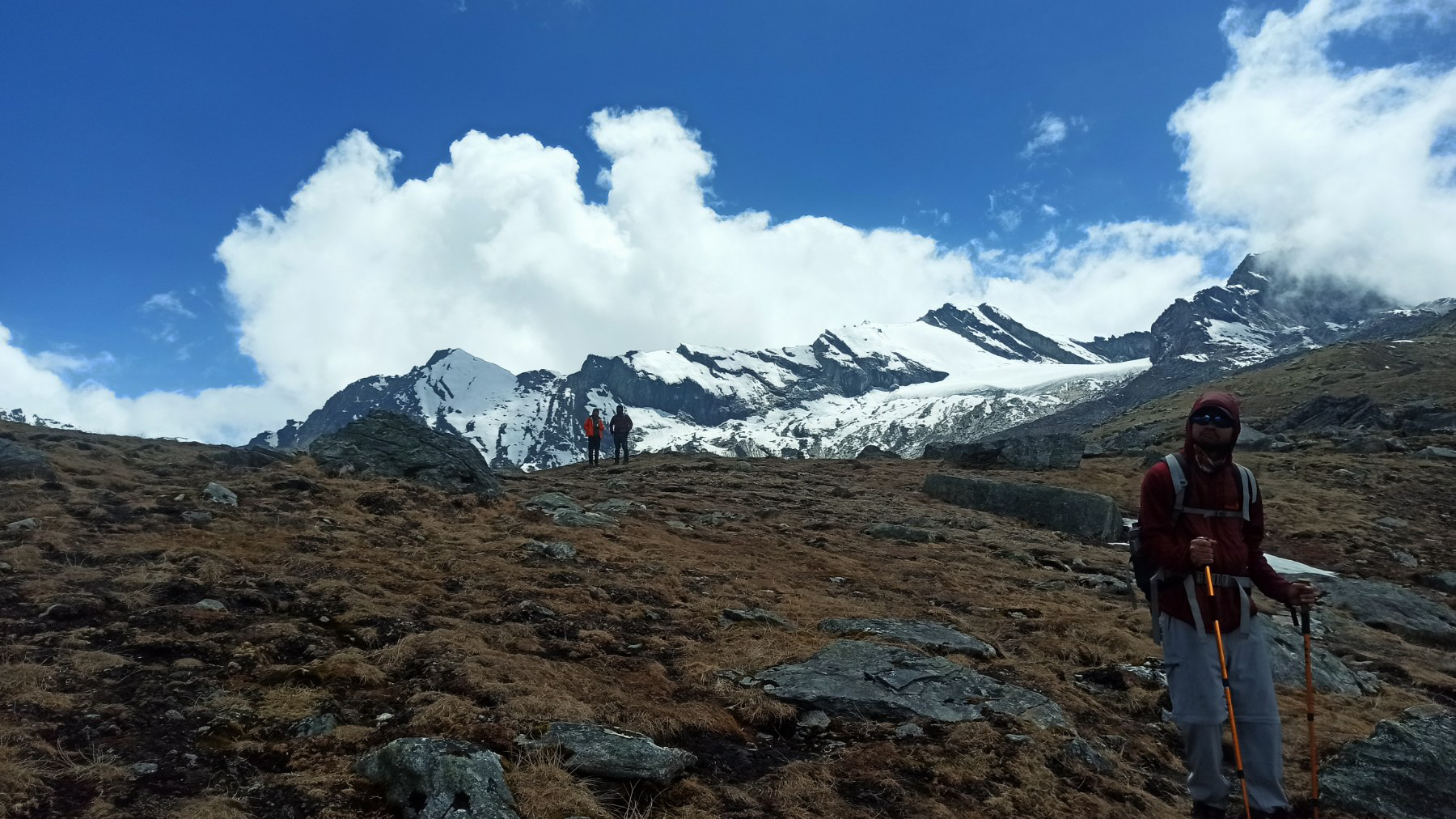
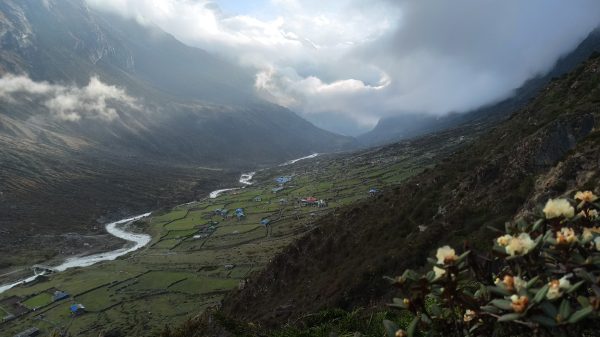
"Panoramic view of the pristine Rolwaling Valley."
“A mesmerizing view of the unspoiled Rolwaling Valley.”


  1. Scenic Beauty: The Rolwaling Valley offers breathtaking views of snow-capped peaks, lush forests, and pristine alpine lakes. The trek provides a chance to experience Nepal’s natural beauty in a relatively untouched setting.
  2. Remote Wilderness: Unlike the more popular Everest Base Camp trek, the Rolwaling Valley Trek is less crowded, making it a great choice for those seeking a quieter and more remote trekking experience.
  3. Challenging Trek: The trek is known for its challenging terrain and high-altitude passes. Trekkers should be well-prepared and in good physical condition. The highlight of the trek is crossing the Tashi Lapcha Pass, which can be quite demanding.
  4. Rich Culture: Along the trek, you’ll encounter Sherpa and Tamang villages, allowing you to immerse yourself in the local culture and traditions of the region.
  5. Naturals Wonders: The Rolwaling Valley is home to Gauri Shankar, one of the holy mountains in Nepal, and the stunning Tso Rolpa Glacier Lake, which is a significant attraction.

Trekking Permits: To trek in the Rolwaling Valley, you will need the necessary trekking permits and TIMS (Trekkers’ Information Management System) cards. Make sure to check the latest permit requirements and regulations before starting your trek.

Trekking Duration: The duration of the trek can vary depending on your specific itinerary, but it typically takes around 15 to 20 days to complete the circuit.

As trekking conditions and regulations can change, it’s crucial to check with local authorities or trekking agencies for the most up-to-date information and to ensure that you are adequately prepared for this challenging and rewarding adventure.

Vipassana Meditation in Nepal with Trekking

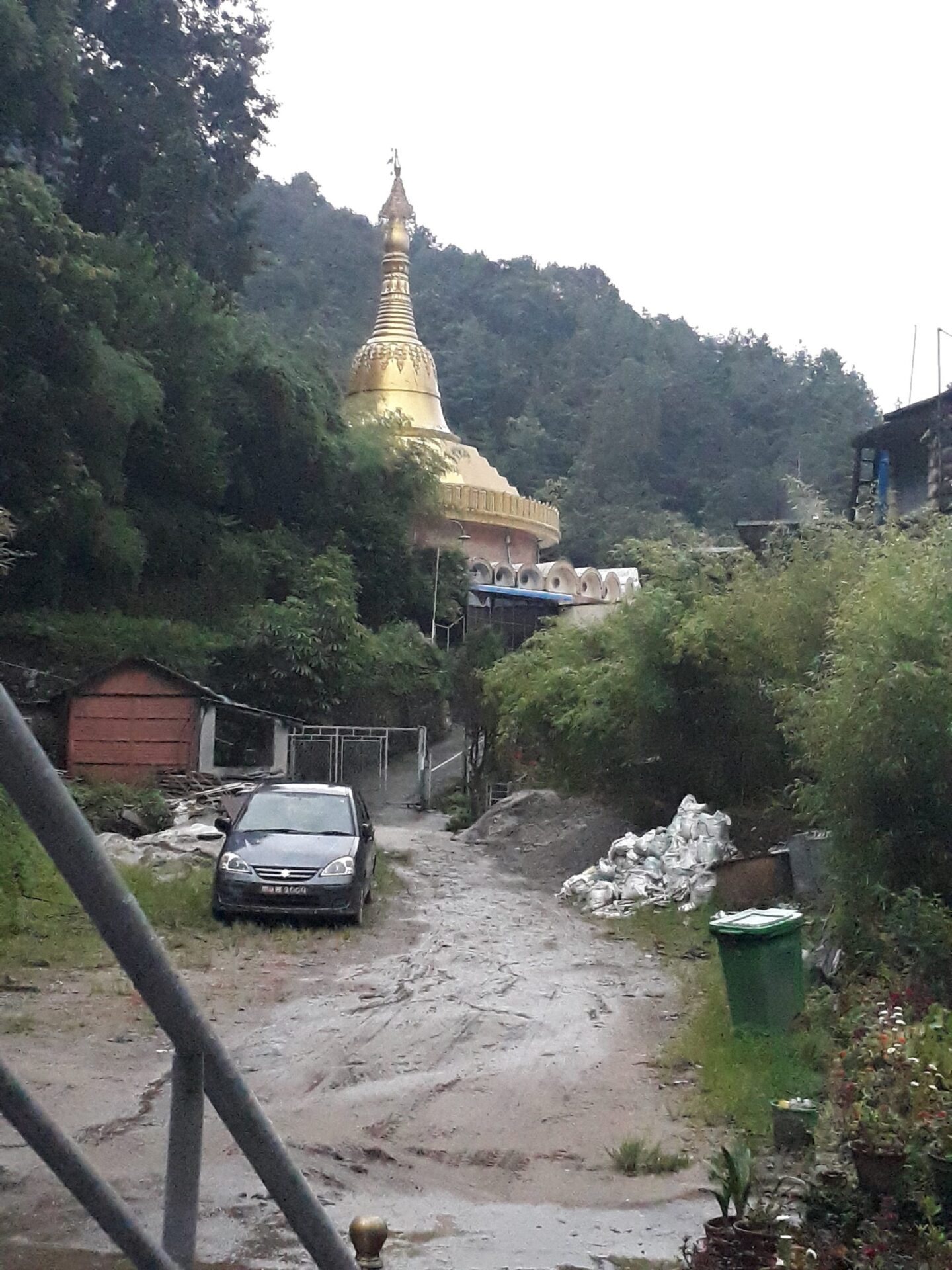
Dharmashringa, a tranquil Vipassana meditation center nestled in the heart of Nepal, surrounded by nature's beauty and serenity.
“Experience profound serenity at the Nepal Vipassana Center, Dharmashringa, as you embark on a journey of self-discovery and inner peace.”


Combining Vipassana meditation and trekking adventure in Nepal can be a transformative experience, offering both inner reflection and connection with the stunning natural beauty of the Himalayas. Vipassana is a form of mindfulness meditation that emphasizes self-awareness and insight into the nature of reality. Many people find it beneficial to practice Vipassana in a serene and secluded environment, making Nepal’s landscapes and spiritual atmosphere a suitable backdrop.

Here’s a general outline of what you might expect for a Vipassana meditation and trekking experience in Nepal:

  1. Choosing a Vipassana Center: Nepal has several Vipassana meditation centers that offer retreats and courses. Some of the most famous is the Nepal Vipassana Center, located in Kathmandu, Dhamma Janani, located in Lumbini, the birthplace of Lord Buddha. If you are planning to do trekking around Annapurna region, Pokhara also have Vipassana centre located at besides of Begnas lake. Similarly Dhamma Sagar Vipassana Center is located at 2850 meters (9350 ft) in the Sagarmatha (Mt. Everest) region of Lukla. It is the highest Vipassana Center in Nepal. If you are planning to do Everest Base Camp trek this center should be a good option. Research and choose a center that aligns with your preferences and schedule.
  2. Duration: Vipassana meditation courses can vary in duration, from 10 days to several weeks. Consider your level of meditation experience and the time you can commit to the retreat. Longer retreats often provide a more profound experience.
  3. Preparation: Make sure you are physically and mentally prepared for the trek and meditation. Trekking in the Himalayas can be physically demanding, so be sure to engage in regular exercise and consider acclimatization days if you’re going to higher altitudes.
  4. Trekking Route: There are numerous trekking routes in Nepal, each offering unique experiences. Some popular options that could be combined with a meditation retreat include the Everest Base Camp trek, Annapurna Base Camp trek, Annapurna Circuit trek, and Langtang Valley trek, Manasalu Circuit trek. Find the best routes, which is suitable for you.
  5. Itinerary Planning: Plan your itinerary to include both the Vipassana meditation course and the trek. You may want to meditate before or after the trek to ensure you’re physically prepared and your body is less fatigued during meditation.
  6. Packing: Pack wisely for both the meditation retreat and the trek. You’ll need comfortable meditation clothing and items like a cushion or mat for meditation. For the trek, you’ll need appropriate clothing, trekking gear, and essentials like a sturdy backpack, hiking boots, and warm clothing for higher altitudes.
  7. Guidance and Teachers: Meditation retreats often have experienced teachers who guide you through the practice. Similarly, if you’re trekking with a group, you’ll likely have guides and porters to help you navigate the trail.
  8. Accommodation: During the meditation retreat, you’ll likely stay at the meditation center’s accommodation. For the trek, accommodations can range from teahouses to lodges depending on the route you choose.
  9. Altitude Considerations: If your trek involves higher altitudes, be mindful of altitude sickness. Acclimatization days and staying hydrated are crucial.
  10. Cultural Sensitivity: Nepal is a culturally rich country, and it’s important to respect local customs and traditions. Learn about the local culture and etiquette before you go.
  11. Permits and Regulations:The trekking routes in Nepal require permits. Make sure you’re aware of the necessary permits and regulations for your chosen route.

Combining Vipassana meditation with trekking in Nepal can be a deeply rewarding experience, allowing you to immerse yourself in both inner and outer exploration. Just remember to plan ahead, be well-prepared, and approach the journey with an open heart and mind.

Devastating Floods Wreak Havoc in Kagbeni

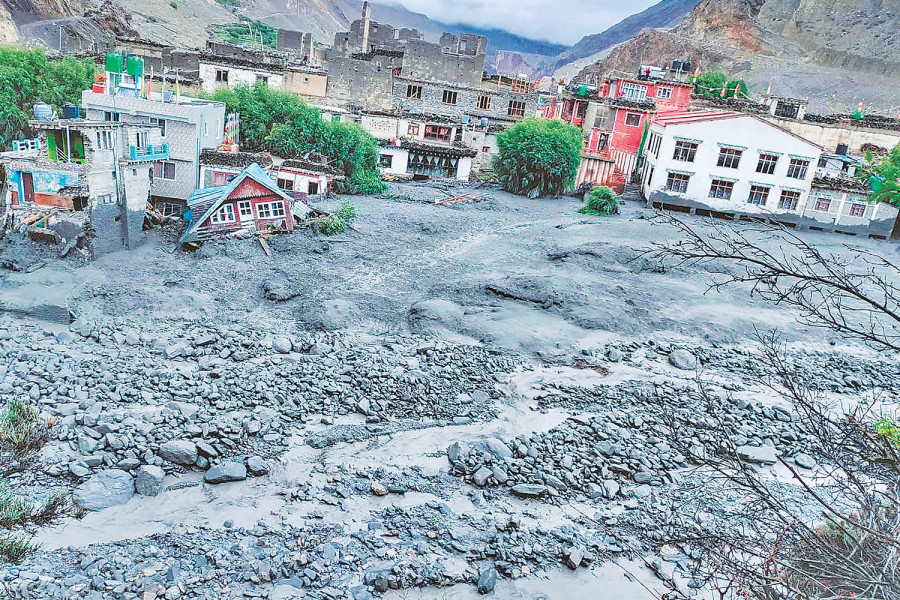
Photo: Courtesy of Anup KC, CDO, Mustang

A calamitous flood swept through the serene village of Kagbeni in Mustang, leaving destruction in its wake. The relentless surge of water, triggered by heavy rainfall and a landslide upstream, resulted in the devastation of homes, bridges, and vital infrastructure.

On a fateful Sunday, the Kagbeni River transformed from a placid watercourse into a furious force of destruction. The river, blocked by a landslide upstream, surged uncontrollably, bursting its banks and inundating the lower reaches of the village. As a result, 29 homes were washed away, leaving more than 150 residents displaced and in dire straits.

The initial findings of the District Disaster Management Committee revealed the staggering scope of destruction. In addition to the homes lost, critical infrastructure suffered severe blows. The floodwaters claimed a motorable bridge along the Jomsom-Korala road section, a suspension bridge, 12 vehicles (including construction equipment), and three temporary bridges. Even an inn frequented by travelers was buried under the deluge.

Amid the chaos, the Kagbeni community exhibited resilience and solidarity. Displaced locals found refuge in rural municipality office buildings and community halls, while others sought shelter with relatives. The Chief District Officer, Anup KC, highlighted the fortunate timing of the disaster, occurring in the evening when most people were able to escape harm. However, the disaster left hundreds of hotel operators and workers displaced. Managing seasonal workers became a daunting challenge, especially considering the financial constraints associated with their return home.

As the floodwaters receded, the process of assessing the extent of the damage commenced. The Varagung Muktichhetra Rural Municipality-4, Kagbeni, was severely impacted by the floods. Incessant rain and a blocked Kagkhola river unleashed chaos, washing away 20 houses, the police station building, and numerous other structures, leaving at least 36 houses damaged. Authorities and local representatives promptly initiated damage assessment, with the focus on offering emergency accommodation for the displaced. The flood even disrupted direct traffic to Upper Mustang by washing away a temporary bridge within Kagbeni village and a concrete bridge under construction to connect Jomsom-Korla.

The recent flood disaster in Kagbeni stands as a stark reminder of the unpredictability and destructive power of nature. As the community and authorities work together to assess the damage, provide emergency shelter, and plan for recovery, it is clear that disaster preparedness and resilience-building are paramount. The people of Kagbeni exemplify human strength and unity in the face of adversity, a testament to the unwavering spirit that will undoubtedly guide them towards rebuilding their lives and village stronger than ever before.

Rara Lake Trek in Nepal: A Trekker’s Delight

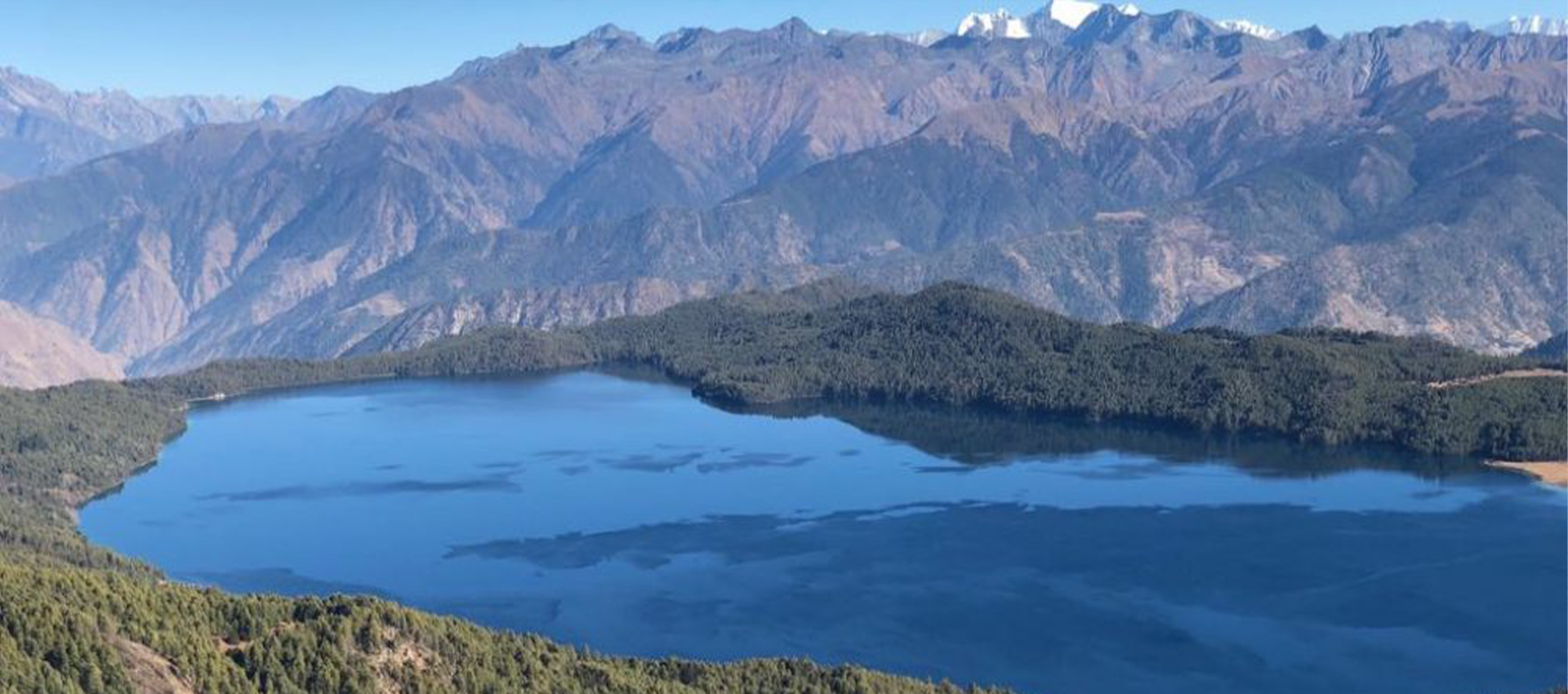
Welcome to our blog! Today, we invite you to embark on a thrilling adventure to Rara Lake in Nepal. This short but enchanting trek offers a mesmerizing journey through breathtaking landscapes, remote villages, and the serene beauty of Rara Lake itself. Join us as we explore the highlights of this trekking experience.

Unveiling Rara Lake’s Splendor:
Rara Lake, nestled in the heart of the Rara National Park, is a hidden gem that captivates trekkers with its untouched beauty. As you trek through the pristine wilderness, you’ll be rewarded with awe-inspiring vistas of snow-capped peaks, verdant forests, and crystal-clear rivers. And when you finally arrive at Rara Lake, its turquoise blue waters and the reflection of surrounding mountains will leave you spellbound.

Cultural Immersion:
The Rara Lake trek also offers glimpses into the unique local culture of the region. As you pass through traditional villages, you’ll have the opportunity to interact with friendly locals and witness their age-old customs and traditions. Immerse yourself in their warm hospitality and gain insights into their simple yet fascinating way of life.

Nature’s Bountiful Gifts:
The trek to Rara Lake showcases the rich biodiversity of the Rara National Park. Walk amidst forests adorned with rhododendron and pine trees, encounter rare wildlife species like red pandas and musk deer, and spot various bird species. The park’s diverse ecosystems provide a habitat for a wide range of flora and fauna, making your journey all the more rewarding.

Off-the-Beaten-Path Adventure:
While Rara Lake is a popular destination, the trek itself takes you through less-traveled paths, ensuring a sense of seclusion and tranquility. You’ll have the opportunity to connect with nature on a deeper level as you navigate through remote trails, breathe in the crisp mountain air, and relish the peace that comes from being far away from the hustle and bustle of city life.

Short and Accessible Trek:
The Rara Lake trek is ideal for those with limited time or trekking experience. With a duration of around 7-10 days, it can be easily incorporated into your Nepal itinerary. The trek’s moderate difficulty level makes it accessible to trekkers of various fitness levels, ensuring that you can enjoy the adventure without feeling overwhelmed.

Conclusion:
The Rara Lake trek in Nepal is a short but unforgettable journey that offers a blend of natural beauty, cultural immersion, and off-the-beaten-path adventure. As you explore the enchanting landscapes and reach the serene shores of Rara Lake, you’ll be left in awe of Nepal’s breathtaking scenery. So, gear up, embrace the spirit of adventure, and embark on this trekker’s delight to Rara Lake – a destination that promises to create lifelong memories.

The Call of the Wild: Experience Thrilling Safaris in Bardiya National Park

Bardiya National Park, situated in the Terai region of Nepal, captivates nature enthusiasts and wildlife lovers with its stunning landscapes and diverse range of animal species. The park spans approximately 968 square kilometers, making it one of Nepal’s largest protected areas. Its vast grasslands, dense forests, and meandering rivers create a picturesque setting that harbors an incredible variety of wildlife.

Bardiya National Park is particularly renowned for its successful tiger conservation efforts, offering visitors the chance to witness the majestic Bengal tigers in their natural habitat. The sight of a tiger roaming freely through the lush jungle will undoubtedly leave you in awe.

In addition to tigers, the park is home to other impressive big cat species, such as leopards. Observing these elusive felines resting on tree branches or stealthily stalking their prey can be a thrilling experience for those patient and fortunate enough.

For birdwatchers, Bardiya National Park is a true haven, hosting over 350 species of birds. The park’s diverse habitats, including riverbanks, wetlands, and grasslands, attract a wide range of avian species. From vibrant kingfishers to majestic eagles, the park offers abundant opportunities for observing and photographing these winged wonders.

The park’s rivers, notably the Karnali River, provide sanctuary for several aquatic species, including the endangered Gangetic dolphins. Watching these graceful creatures swimming elegantly in the river waters is a unique and enchanting sight for visitors.

Apart from the charismatic megafauna, Bardiya National Park also shelters a plethora of other wildlife. Endangered species like the one-horned rhinoceros, wild elephants, and swamp deer find refuge within the park’s boundaries. Visitors can embark on jeep safaris or guided walks to get up close to these animals and learn about their conservation efforts.

Moreover, Bardiya National Park offers an opportunity to immerse oneself in the local Tharu culture. The Tharu people, indigenous to the region, possess a rich cultural heritage that visitors can explore through cultural shows, traditional dances, and village tours.

Whether you’re an avid wildlife enthusiast, a bird lover, or simply seeking tranquility amidst nature, Bardiya National Park provides an incredible array of sightseeing opportunities and wildlife encounters. Its breathtaking scenery and abundant biodiversity are sure to leave a lasting impression on anyone who ventures into its pristine wilderness